Marketing Analytics: How to Use Data to Drive Smarter Marketing Decisions
Turn Your Marketing Data Into Competitive Intelligence and Revenue Growth
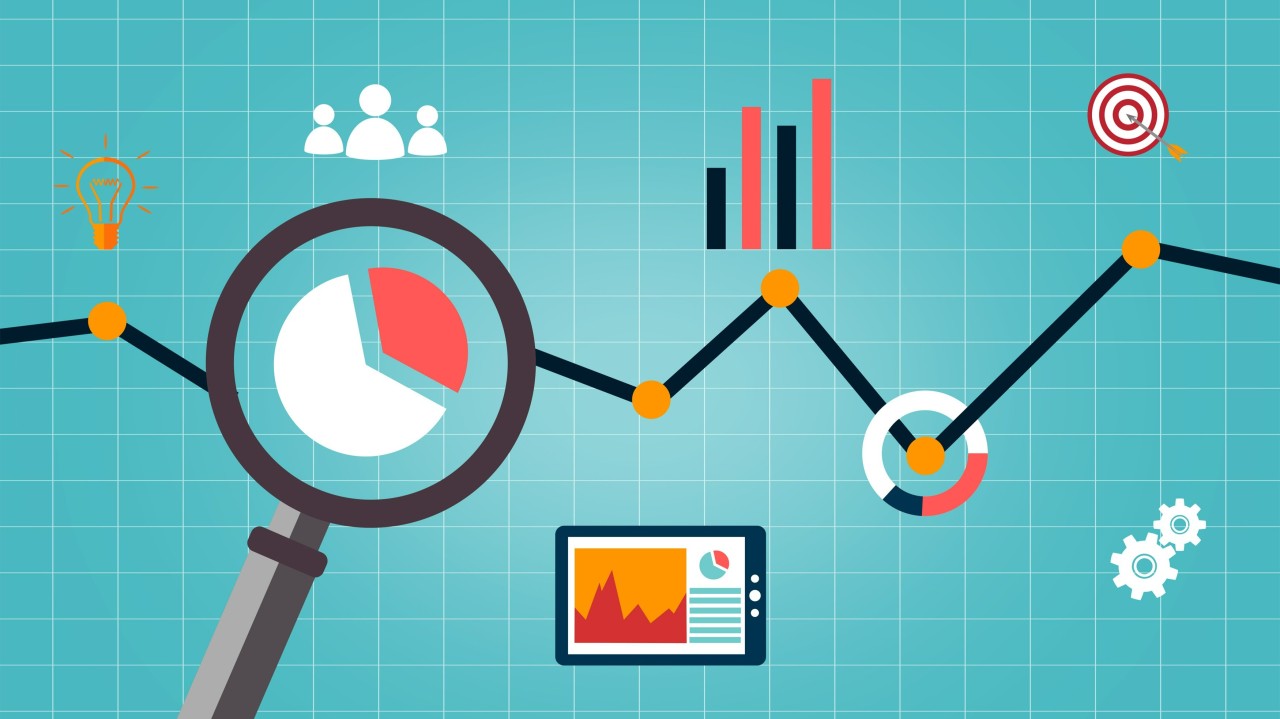
Marketing analytics transforms raw campaign data into the competitive intelligence that drives smarter business decisions.
Why Marketing Analytics Is Your Greatest Competitive Advantage
Every click, every scroll, every email open leaves a data trail. The companies that collect, analyze, and act on that data outperform those that rely on intuition by a significant margin. Marketing analytics is not just about reporting what happened — it is about understanding why it happened and predicting what to do next.
In 2026, the data advantage has become the competitive advantage. Brands with mature analytics practices allocate budgets more efficiently, identify winning campaigns faster, and eliminate underperformers before they waste significant resources. The analytics infrastructure you build today is a compounding strategic asset.
Building Your Marketing Analytics Stack
Layer 1: Data Collection
The foundation is accurate, comprehensive data collection. Implement Google Analytics 4 with proper event tracking configured for every meaningful user action on your website. Set up Google Search Console for organic search data. Connect your CRM (HubSpot, Salesforce, or equivalent) to your analytics platforms to enable revenue attribution. Install your ad platform pixels (Meta, Google, LinkedIn) with conversion tracking firing correctly.
Layer 2: Data Integration
Data siloed across platforms tells an incomplete story. Use a data integration tool (Google Looker Studio, Supermetrics, or a CDP like Segment) to consolidate data from all channels into a unified view. The ability to see a customer's full journey — from first ad impression through organic research to email conversion to closed deal — is what separates advanced analytics from basic reporting.
Layer 3: Reporting and Visualization
Raw data is not insight. Build dashboards that translate data into decisions. Create separate dashboards for different stakeholders: a channel performance dashboard for your marketing team, an executive dashboard showing revenue attribution and pipeline contribution, and a content performance dashboard tracking organic traffic, rankings, and conversion rates by piece.
The Marketing Metrics That Actually Matter
Revenue and Pipeline Metrics
- Marketing-attributed revenue: Revenue directly credited to marketing touchpoints
- Cost per acquisition (CPA): Total marketing spend divided by new customers acquired
- Marketing-sourced pipeline: Value of deals in your CRM that originated from marketing channels
- Return on marketing investment (ROMI): Revenue generated minus marketing costs divided by marketing costs
Channel Performance Metrics
- Organic search traffic and keyword rankings: The health of your SEO investment
- Email open rate, CTR, and revenue per subscriber: The efficiency of your list
- Paid media ROAS by channel and campaign: Where ad budget is most productive
- Social media reach, engagement rate, and referral traffic: Social's contribution to the pipeline
Attribution Modeling: Understanding What's Actually Working
Attribution modeling determines how credit for a conversion is distributed across the marketing touchpoints that preceded it. Last-click attribution — the default in most platforms — gives 100% credit to the final touchpoint, drastically undervaluing upper-funnel channels like content marketing and social media. Data-driven attribution uses machine learning to distribute credit based on actual conversion probability, giving you a far more accurate picture of what's driving growth.
Using Analytics to Optimize Continuously
The most powerful use of marketing analytics is not reporting — it is optimization. Use A/B test results to improve conversion rates systematically. Use cohort analysis to identify which lead sources produce the highest lifetime value customers. Use funnel analysis to find exactly where prospects are dropping off and design targeted fixes. Use predictive modeling to allocate next quarter's budget before the quarter starts.
From Data to Decisions: Building an Analytics Culture
Analytics tools are only as valuable as the decisions they inform. Build a culture where marketing decisions at every level — campaign launches, budget allocations, content priorities, channel investments — are anchored in data rather than assumptions. Hold weekly data reviews, document learnings from every experiment, and reward evidence-based thinking over intuition.
The Analytics Advantage Compounds Over Time
Every data point you collect makes your models more accurate. Every optimization you run improves your baseline. Every insight you document accelerates future decisions. The brands with the most mature analytics practices today started building them years ago. Start building yours now — because your competitors already are.
Ready to turn your marketing data into a competitive advantage?
Marketing analytics is not a one-time project — it's a compounding strategic asset. The brands that invest in data infrastructure today will outperform competitors for years to come.
Build your strategy ↗More Articles
Keep reading — explore more insights from our blog



.png)
.png)
.png)
.png)