PPC Marketing 101: How to Run Paid Ads That Generate Real ROI
Stop Wasting Ad Spend and Start Building Campaigns That Pay for Themselves
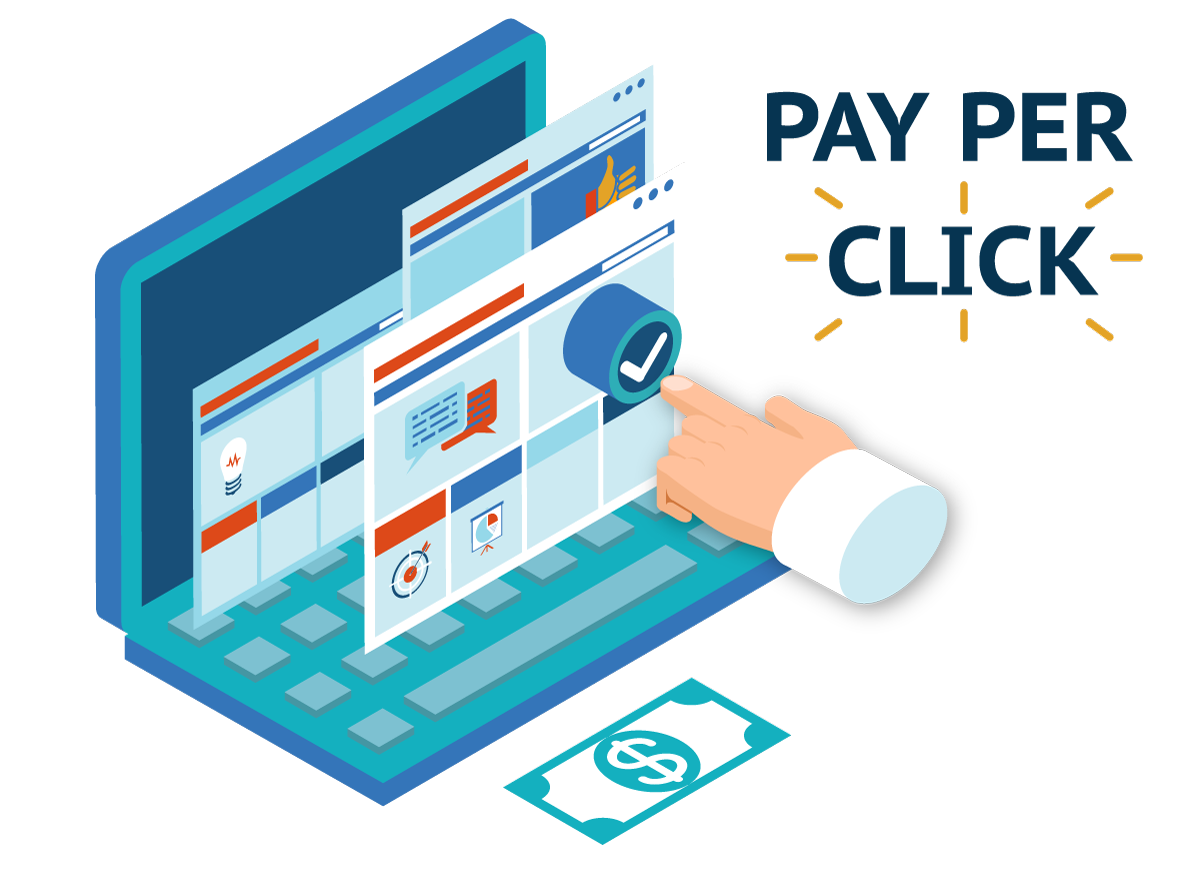
Profitable PPC campaigns start with precise targeting, compelling creative, and landing pages built to close.
What Is PPC Marketing?
Pay-per-click (PPC) marketing is a model of digital advertising where you pay only when someone clicks your ad. Unlike traditional display advertising billed by impressions, PPC aligns cost directly with user intent — making it one of the most measurable and controllable channels in your marketing mix.
Google Ads, Meta Ads, LinkedIn Ads, and Microsoft Advertising are the dominant PPC platforms, each offering distinct targeting capabilities and audience profiles. Mastering even one of them can transform your lead generation and revenue trajectory.
Why PPC Delivers Immediate Results
Unlike SEO — which takes months to show results — PPC campaigns can drive targeted traffic within hours of launch. For businesses that need leads now, entering new markets, or testing new offers, PPC is unmatched in speed. The trade-off: the moment you stop spending, the traffic stops. This is why the best marketing strategies combine PPC for immediate results with SEO for long-term organic growth.
The Anatomy of a High-Performing PPC Campaign
1. Precise Keyword Targeting
Your keyword strategy determines who sees your ads. Use exact match and phrase match keywords to target high-intent queries. Invest heavily in negative keywords — the queries you explicitly exclude — to prevent budget waste on irrelevant clicks. A disciplined negative keyword list can reduce wasted spend by 20–40%.
2. Ad Copy That Converts
Every PPC ad competes for attention in a fraction of a second. Headlines must speak directly to the searcher's intent, include the primary keyword, and offer a clear value proposition. Calls to action should be specific: 'Get a Free Audit' outperforms 'Learn More' every time. Test at least 3 ad variations per ad group and let data decide the winner.
3. Landing Pages That Close
A great ad that lands on a poor page is wasted money. Landing pages must match the promise of the ad exactly — same offer, same language, same urgency. Remove navigation menus that distract visitors, include social proof above the fold, and make the conversion action obvious and effortless.
4. Bidding Strategy Aligned to Goals
Google's smart bidding strategies — Target CPA, Target ROAS, and Maximize Conversions — use machine learning to optimize bids automatically. These outperform manual bidding when conversion data is sufficient (minimum 30–50 conversions per month). For new campaigns, start with manual CPC to gather data before switching to smart bidding.
Google Ads vs. Meta Ads: When to Use Each
Google Ads captures demand — people actively searching for what you offer. It works best for products and services people already know they need. Meta Ads (Facebook and Instagram) creates demand by reaching people based on interests, demographics, and behaviors before they are actively searching. Use Google for high-intent direct response and Meta for awareness, remarketing, and top-of-funnel brand building.
The 4 PPC Metrics Every Advertiser Must Track
- Quality Score (Google): Impacts your ad rank and cost-per-click — optimize ad relevance and landing page experience to improve it
- Click-Through Rate (CTR): Indicates how compelling your ads are to your target audience
- Conversion Rate: The percentage of clicks that become leads or sales — the ultimate measure of campaign effectiveness
- Return on Ad Spend (ROAS): Revenue generated for every dollar spent on ads — the north star metric for profitability
Advanced PPC Tactics That Separate Professionals from Amateurs
Remarketing: Target users who have already visited your site with tailored ads. Remarketing audiences convert at 2–10x higher rates than cold audiences. Customer Match: Upload your customer email lists to Google and Meta to target existing customers and create lookalike audiences. Ad scheduling: Run ads only during the hours and days when your audience is most likely to convert, cutting wasted impression spend significantly.
Start Small, Scale What Works
The biggest mistake in PPC is scaling too fast before proving profitability. Start with a tightly controlled campaign — one campaign, 3–5 ad groups, limited budget — and optimize relentlessly until you hit your target CPA. Then scale with confidence. Data-driven scaling always outperforms intuition-driven spending.
Ready to run paid ads that generate real ROI?
Data-driven scaling always outperforms intuition-driven spending. Start with a tightly controlled campaign, optimize until you hit your target CPA, then scale with confidence.
Build your strategy ↗More Articles
Keep reading — explore more insights from our blog


.png)
.png)
.png)
.png)